
What is deep tissue massage?
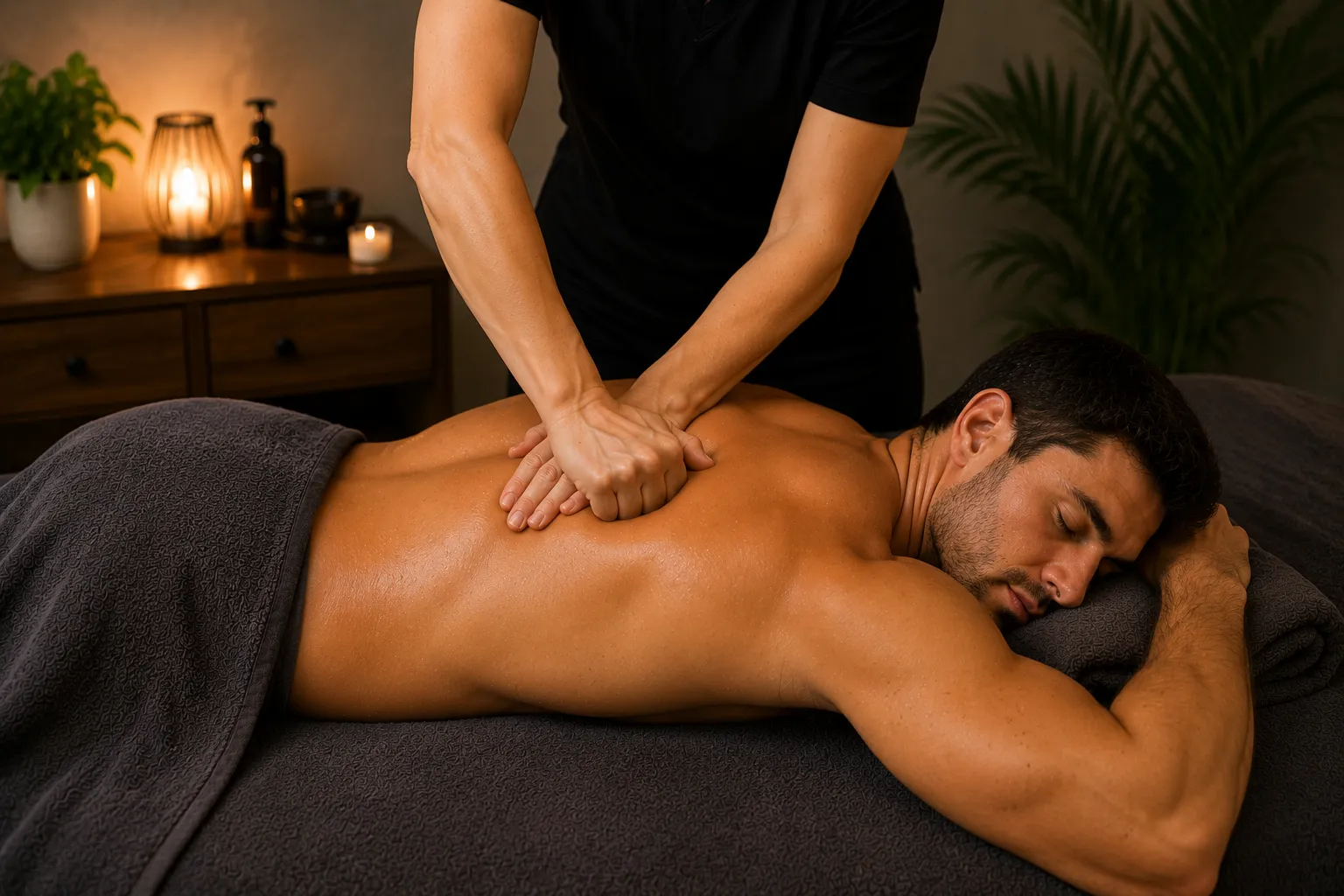
Deep tissue massage is a focused, firm-pressure treatment that works into the deeper layers of muscle and connective tissue. Where relaxation massage glides over the surface to calm the nervous system, deep tissue goes after the underlying tension — the chronic tightness, knots and holding patterns that build up from training, work, posture, stress and the cumulative load of daily life.
At Massage by Laura's Runaway Bay studio, deep tissue is a popular 60-minute treatment for clients across the Gold Coast who want stronger pressure than a typical massage. Every session is delivered by Laura — an ATMS-registered remedial massage therapist with a Diploma of Remedial Massage from Evolve College Brisbane and 5 years of clinical experience — so the pressure is informed by proper anatomical knowledge rather than just "push harder until it hurts".
Why people choose deep tissue on the Gold Coast
Most clients who book deep tissue at our Runaway Bay studio fall into one of a few groups. They train hard — at the gym, on the field, running, cycling, lifting — and want recovery work that actually reaches the worked muscles. They work physical jobs and finish each day with the same tight back, shoulders or hips. Or they sit at a desk all day and carry the tension of that posture in their neck, upper traps and lower back.
The common thread: surface-level massage isn't quite getting there. They want pressure that meets the tightness — not bulldozes through it. Deep tissue, done well, does that.
Benefits of deep tissue massage
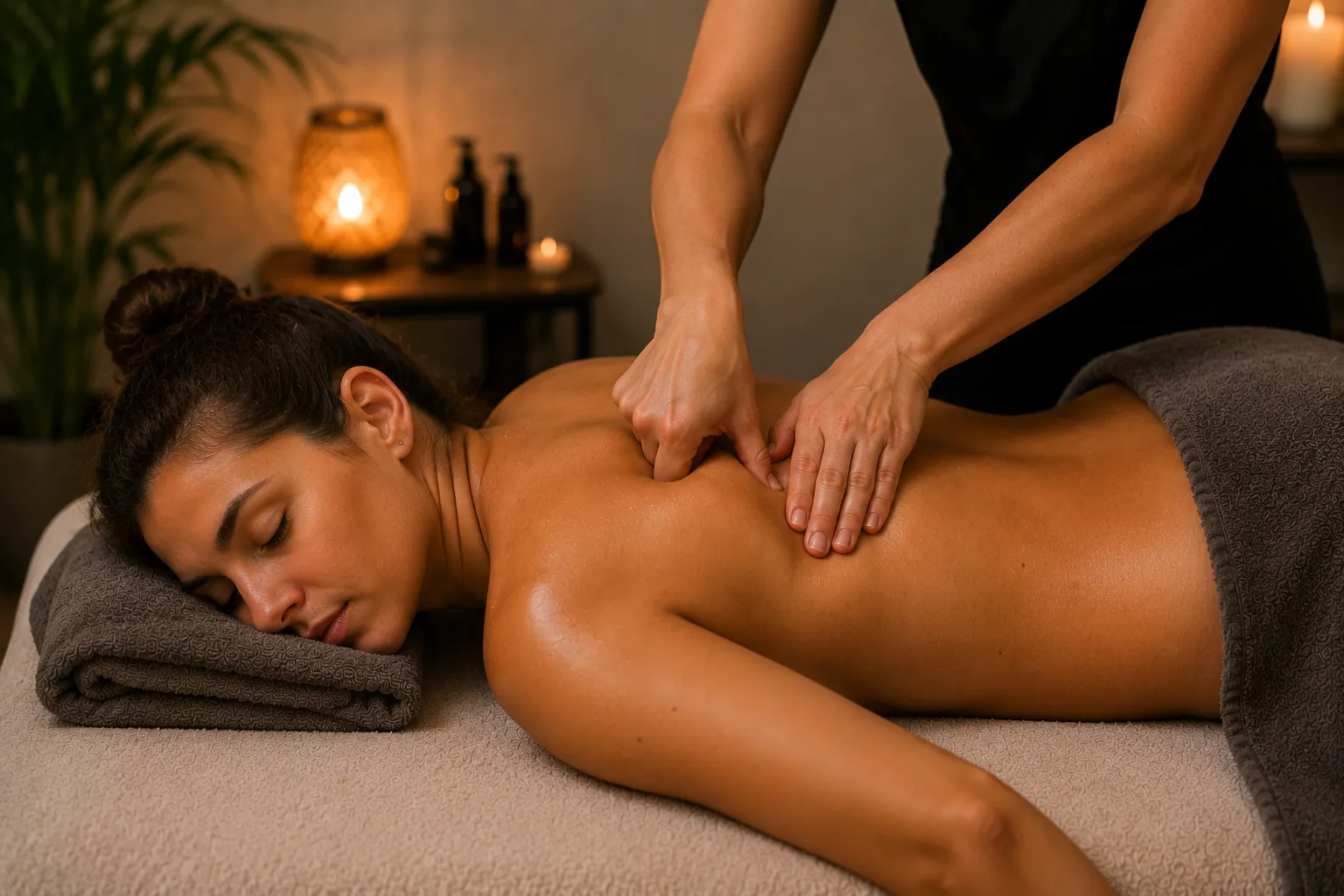
Done properly, deep tissue massage offers benefits that go well beyond immediate relaxation. The combination of firm, sustained pressure and targeted technique tends to support:
- Release of chronic muscular tension that's been there for weeks, months or longer
- Reduced muscle knots and trigger points — particularly in shoulders, upper back and glutes
- Improved range of motion and flexibility as restricted tissue softens
- Faster recovery between training sessions for athletes and gym-goers
- Relief from postural strain from long hours at a desk or behind the wheel
- Reduced tension-driven headaches as neck and upper-trap tension lifts
- Better blood flow through previously congested or under-circulated areas
- A noticeable feeling of being "unstuck" after the session — even when soreness lingers a day
Conditions deep tissue massage can help with
Deep tissue isn't a cure-all — and we'll always tell you honestly if a remedial assessment would serve you better. But for these patterns, it's often the right tool:
Lower back pain & tightness
Lower back pain driven by muscular tension (rather than nerve or disc issues) responds particularly well to deep tissue. The work releases the quadratus lumborum, erector spinae and glute medius — the muscles that hold the lumbar spine and often refer pain when chronically tight.
Neck & shoulder tension
Neck and shoulder tightness from desk work, screen time and stress is the single most common reason clients book deep tissue. Targeted work into the upper traps, levator scapulae, rhomboids and along the cervical spine can release patterns that surface-level massage just won't reach.
Sports & gym recovery
Whether you train at a local gym in Runaway Bay, run the Broadwater, lift at home or play sport on weekends, deep tissue is a strong recovery tool. It helps with sports injury recovery, reduces post-training soreness, supports mobility and helps you train more consistently across the long term.
Postural strain & desk job pain
Desk-job pain is a real thing. Hunched shoulders, tight hip flexors from sitting, a stiff thoracic spine, and that persistent upper-back ache between the shoulder blades all respond well to focused deep tissue work. Combined with simple movement advice afterwards, it can make a substantial day-to-day difference.
Stubborn muscle knots
Muscle knots — those tight, palpable bands you can feel under the skin — are exactly what deep tissue techniques are designed to release. The work is slow, sustained, and targeted to the specific area rather than rushing across the whole body.
Deep tissue for sports recovery
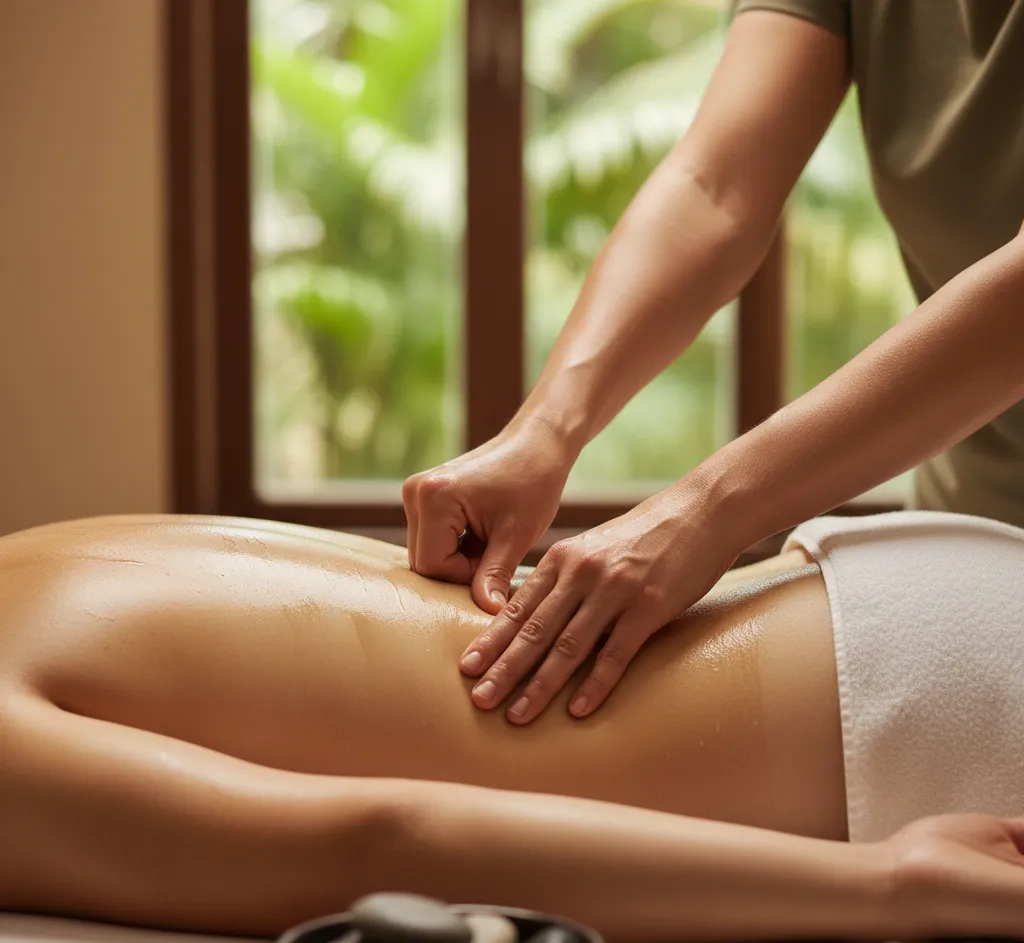
Deep tissue massage is one of the most-requested treatments by athletes, gym-goers and physically active Gold Coast clients. Training stress, repetitive movement and progressive overload all create areas of accumulated tension that, left unaddressed, can show up as injury, plateau or chronic soreness.
Regular deep tissue work helps you train more consistently by clearing local congestion, supporting circulation to worked muscles, and reducing the cumulative tightness that pulls movement out of alignment over time. Many of Laura's regulars schedule a session every 2-4 weeks as part of their training cycle — particularly during higher-intensity training blocks.
A note on timing: deep tissue isn't a pre-event treatment. Save it for recovery days, not the day before a race or competition. The body needs 24-48 hours to integrate the work before peak performance.
Deep tissue vs other massage treatments
Deep tissue vs relaxation massage
Different goals, different pressure. Relaxation massage uses lighter, flowing strokes to calm the nervous system and reduce stress. Deep tissue uses firm, targeted pressure to release muscular tension. If you want to genuinely switch off, book relaxation. If you want to address a specific area of tightness, book deep tissue.
Deep tissue vs remedial massage
Remedial massage starts with assessment — how is your body actually moving, what's driving the issue, what's the underlying pattern? It then uses a mix of techniques (including deep tissue) to address the root cause. If you have a specific injury, recurring pain or postural issue, remedial is usually the better starting point. Remedial massage is also claimable on most private health extras cover, where deep tissue typically isn't.
Deep tissue vs cupping therapy
Opposite mechanics — deep tissue compresses muscle from outside in with firm pressure; cupping uses suction to lift tissue from above. Both release tension, but the feel is completely different. Many clients alternate between the two or combine them within a longer session.
Who deep tissue suits (and who it doesn't)
Deep tissue suits you well if you want firm pressure, you have chronic tension or muscle tightness you'd like worked through, you train actively and want recovery work, or you've previously felt that lighter massage didn't quite reach the problem.
Deep tissue may not be the right starting point if you have an acute injury (less than 48 hours old), you're pregnant (book remedial pregnancy massage instead), you have a medical condition that limits firm pressure, or you simply prefer a calmer, more relaxing experience (book relaxation). If you're not sure, message Laura and she'll recommend the right fit.
This treatment can help with
Deep tissue massage is most useful for clients dealing with these patterns:
What to expect during your appointment
Your session begins with a short conversation about what you're feeling, where the tension is sitting, your activity levels and any specifics to flag — recent injuries, medications, areas to avoid. Laura will check in about your preferred pressure and adjust throughout the session.
The work itself is slower and more sustained than a flowing relaxation massage. Expect Laura to spend longer on specific areas, work into them gradually rather than diving straight in, and check in regularly about pressure. Some tightness will be tender during the work — that's normal. Sharp or unbearable pain isn't, and you should say so immediately if anything crosses that line.
Afterwards, mild soreness for a day or two is common — similar to the feeling after a good workout. Drink plenty of water, move gently, and the area usually feels noticeably looser within 48 hours.
Frequently asked questions
Is deep tissue massage painful?
Can deep tissue massage help with back pain?
Is deep tissue massage good for sports recovery?
How often should I get a deep tissue massage?
What's the difference between deep tissue and remedial massage?
Will I be sore after a deep tissue massage?
Can deep tissue massage help neck and shoulder tension?
Is Laura qualified to deliver deep tissue massage?
How much does deep tissue massage cost?
Can I book online?
Service areas
Massage by Laura is conveniently located in Runaway Bay and serves clients across the Gold Coast, including:
Book your deep tissue massage today
Ready to feel better? Booking is simple — online 24/7 via Fresha, or by phone on 0493 428 064. If you're not sure whether this is the right treatment for you, send Laura a message first — she'll happily talk it through.